Dental Implant Recovery: Tips for Healing Faster
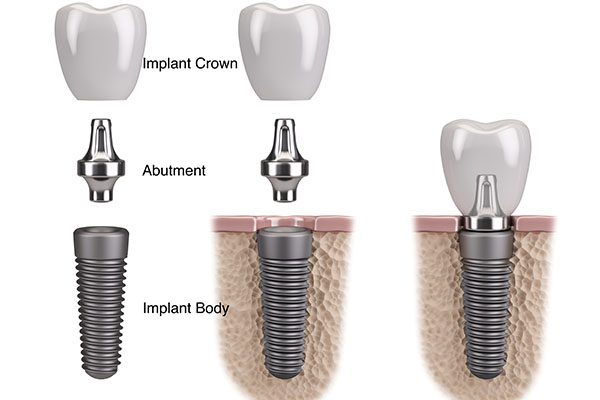
Are you recovering from dental implant surgery? A healthy recovery is essential to your long-term success. The next few weeks are the most important part of your journey toward a healthy and functional smile. The following tips can help you manage your discomfort and speed up the recovery process so you can enjoy your new teeth with confidence.
Immediate steps after surgery
The first forty-eight hours are the most important window for a smooth transition from implant surgery to restoration placement. When the dentist inserts the implant post, the body must form a secure blood clot over the area. This clot serves as a barrier, keeping bacteria out and allowing the gum tissue to heal. Disturbing the clot can reopen the wound. It can also lead to a painful dry socket.
Physical rest is the best medicine during this early phase of recovery. A high heart rate can cause the blood vessels to pump harder, leading to increased throbbing and swelling. Instead, patients should plan to stay home and relax with their head elevated. An upright position helps fluid drain away from the face, which reduces inflammation and puffiness.
Keeping the surgical area clean
A clean mouth is the best defense against implant failure. If food or plaque builds up near the incision, it can cause an infection that slows down the recovery. However, the site is too sensitive for standard brush strokes right away. Instead, the patient should do the following:
- Wait at least twenty-four hours before the first rinse
- Use a warm saltwater mix to flush out food debris gently
- Brush the other teeth in the mouth to reduce bacterial count
- Avoid using an electric toothbrush near the new implant for one week
- Do not use straws to prevent the suction from disturbing the clot
- Do not aggressively spit, as this may pull on the stitches
- Use a prescribed antimicrobial mouthwash if necessary
Consistent, gentle care helps keep the gum tissue healthy and bacteria-free, reducing the risk of a post-operative infection.
Pain and inflammation management
Discomfort is a normal part of the process once the local anesthetic wears off. Most people find that the peak of the discomfort happens on the second day. A cold compress held against the cheek for twenty minutes at a time can constrict the blood vessels and keep the face from swelling up. After forty-eight hours, ice is less effective, but a warm compress can help soothe the jaw muscles.
Patients should take pain medication and antibiotics on a strict schedule. It is much easier to keep an ache away than it is to stop it once it becomes severe. If the team at the Port St. Lucie office provides a prescription, the patient must follow the instructions exactly. For any antibiotics, the patient needs to finish them even if they feel fine.
Eating habits and nutrition
The body needs plenty of vitamins and minerals to build new tissue and close the incision. While the diet is limited at first, it is still possible to eat well. Soft foods help reduce pressure on the new implant post. Some foods that the patient can consume include:
- Lukewarm broth or vegetable soups
- High-protein yogurt or cottage cheese
- Mashed potatoes or sweet potatoes
- Fruit smoothies
- Soft scrambled eggs
- Mashed avocado
After the first two weeks, the patient can slowly reintroduce heartier foods like pasta or soft-cooked fish. Be sure to avoid nuts, chips, and crusty bread until the dentist gives final approval.
What to avoid to ensure a smooth recovery
Certain lifestyle choices can put a new dental implant at risk. For example, nicotine restricts the flow of blood to the gums, which means the surgical site does not get the oxygen it needs to heal. Patients should stop all tobacco use for several weeks to give the body a fair chance to recover. They should also avoid alcohol, as it can thin the blood and cause more bleeding at the incision site.
We are here to help
A new smile is a permanent investment that requires careful, consistent attention in the first few months to ensure a lifelong result. By following these steps for dental implant recovery, you can avoid potential complications and enjoy a more comfortable treatment experience. If you have any concerns about your progress or need to schedule a check-up, contact St Lucie Center for Cosmetic Dentistry today. Our team in Port St. Lucie is here to support you throughout the entire process of your restoration.
Request an appointment here: https://www.stluciedentist.com or call St Lucie Center for Cosmetic Dentistry at (772) 242-4124 for an appointment in our Port St. Lucie office.
Check out what others are saying about our dental services on Yelp: Dental Implants in Port St. Lucie, FL.
Related Posts
Though implant crowns and traditional dental crowns look almost identical, they serve different purposes. Implant crowns are key to tooth replacement involving dental implants, while traditional ones primarily reinforce and repair natural teeth. Understanding the differences between these options can help patients make informed decisions regarding restoring their smile.Implant crowns are attached to a dental…
Transform Your Smile: Complete Guide to Dental Implant Surgery & Smile Restoration ); ="pros"> Benefits: Permanent solution Looks and feels natural Preserves jawbone No special maintenance 95%+ success rate Considerations: Requires surgery Longer treatment time Higher initial cost Healing period needed Perfect for patients missing most or all teeth. This innovative technique uses just four…
Cost of Dental Implants and All-on-4 Near Me: Complete Guide for St. Lucie Residents /* WordPress Blog Styling */ .dental-implants-blog );
Individual Dental Implants vs. Full Mouth Restorations: Choosing the Right Solution /* Custom CSS for Dental Implant Comparison Blog Post */ .implant-comparison-blog TLDR: Individual dental implants replace single teeth one-by-one, while full mouth restorations like All-on-4 and All-on-6 replace entire arches with fewer implants. Your choice depends on how many teeth you're missing, your budget,…