What an Emergency Dentist Can Treat Beyond a Toothache
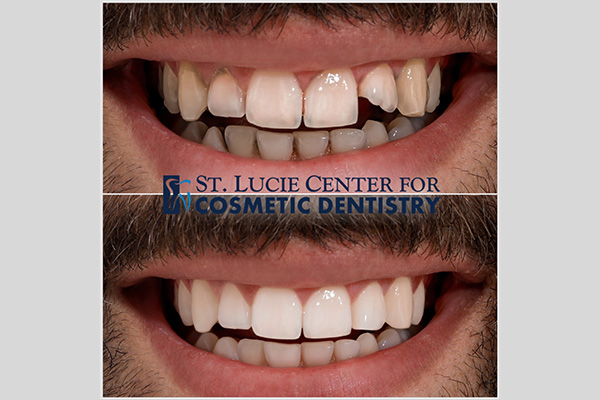
An emergency dentist can treat more than tooth pain, including injuries, infections, broken restorations, and sudden changes that affect oral function. Our general dentist who offers emergency care can evaluate the issue, relieve discomfort, and recommend the next step. If you are unsure whether your situation constitutes an emergency, here are five conditions that warrant a trip.
5 Reasons to contact an emergency dentist
1. Knocked-out or loose teeth
A knocked-out permanent tooth is one of the most time-sensitive dental emergencies. The tooth has the best chance of being saved when it stays moist and receives dental care as soon as possible. An emergency dentist may clean the area, reposition the tooth when appropriate, and stabilize it with a splint. Follow-up care helps determine whether additional treatment, such as root canal therapy, may be necessary.
Loose teeth can also occur after a fall, sports injury, or blow to the face. Even when the tooth remains in the socket, movement can signal damage to the surrounding ligament, bone, or nerve tissue. A dentist can take images, check the bite, and decide whether the tooth needs stabilization. Early care can help prevent more serious complications.
2. Cracked, chipped, or broken teeth
A cracked or broken tooth may cause sharp edges, sensitivity, swelling, or pain when chewing. Some fractures affect only the enamel, while others extend deeper toward the dentin or pulp. An emergency dentist can determine how far the damage reaches and whether the tooth needs bonding, a filling, a crown, or root canal therapy. Prompt treatment helps reduce the risk of infection and further breakage.
Small chips may seem minor, but they can still irritate the tongue or cheek. Larger breaks may expose sensitive inner layers of the tooth. When a fracture affects the nerve, discomfort can become more intense and persistent. A general dentist can recommend the safest repair based on the size and location of the break.
3. Lost fillings, crowns, or other restorations
Dental restorations can loosen or break during chewing, grinding, or normal wear. A lost filling or crown may expose the tooth to temperature sensitivity, pressure, and bacteria. The tooth may also feel rough or sharp, making eating and speaking uncomfortable. Emergency dental care can protect the area until a permanent repair is ready.
Treatment may include smoothing sharp edges, placing a temporary material, or recementing a crown when the restoration still fits properly. If decay or tooth damage sits beneath the restoration, a new treatment plan may be necessary. Acting quickly can help prevent the exposed tooth from becoming more painful. It can also reduce the chance of needing more involved treatment later.
4. Swelling, infection, and abscesses
Dental infections can become serious when swelling, fever, drainage, or worsening pain develops. An abscess may form near the tooth root or gum tissue when bacteria reach deeper areas of the mouth. An emergency dentist can examine the source of infection and recommend treatment to control it. Depending on the case, care may include drainage, medication, root canal therapy, or tooth removal.
Dental infections can spread beyond the tooth if they do not receive proper attention. Swelling that affects breathing, swallowing, the eye area, or the jaw may require emergency medical care. In these cases, visit a hospital emergency room or call 911. After the condition has been stabilized, an emergency dentist can take care of the oral health side of the problem.
5. Soft tissue injuries
The lips, cheeks, tongue, and gums can bleed heavily after an accident because the mouth has many blood vessels. Small cuts may heal with basic care, but deep wounds or tissue that does not close properly need professional attention. A dentist can clean the area, check for tooth fragments, and determine whether sutures are necessary. This care helps lower the risk of infection and supports better healing.
Soft tissue injuries can also happen with broken teeth or damaged appliances. Sharp edges from enamel, crowns, fillings, or orthodontic wires may cut the mouth. Emergency care can smooth or cover the source of irritation. This can make eating, speaking, and resting more comfortable while the mouth heals.
Schedule an emergency dental visit
An emergency dentist can treat toothaches, broken teeth, lost restorations, swelling, oral injuries, and other urgent concerns that affect comfort or function. A general dentist can evaluate the problem, explain treatment options, and help determine whether additional specialist care is needed. Call our office for more information or to schedule an emergency evaluation.
Request an appointment here: https://www.stluciedentist.com or call St Lucie Center for Cosmetic Dentistry at (772) 242-4124 for an appointment in our Port St. Lucie office.
Check out what others are saying about our dental services on Yelp: Emergency Dentist in Port St. Lucie, FL.
Related Posts
Expert Emergency Care & Complete Smile Transformations in Port St. Lucie, FL When a dental emergency strikes in Port St. Lucie, residents need immediate, expert care they can trust. At St. Lucie Center of Cosmetic Dentistry, we understand that dental emergencies don't wait for convenient times. Our practice has become the go-to destination for emergency…
When a dental emergency hits, it is important to know where to go to access the right care. An emergency dentist is often the right provider, although life-threatening emergencies require a trip to the emergency room. Learning when to go to the emergency dentist versus the emergency room can save you time, money, and discomfort.…
Preventing Dental Emergencies: Proactive Tips for Jensen Beach Residents * ; const observer = new IntersectionObserver(function(entries) { entries.forEach(entry => { if (entry.isIntersecting) { entry.target.style.opacity = '1'; entry.target.style.transform = 'translate
Managing Dental Pain: Emergency Solutions for St. Lucie County Residents | Dr. Almanzar /* WordPress Blog Styling with Enhanced EEAT Structure */ .dental-blog-container ;// Inject FAQ schemaconst faqScript = document.createElement('script');faqScript.type = 'application/ld+json';faqScript.textContent = JSON.stringify(faqSchema);document.head.appendChild(faqScript);